
Missed opportunity preferential rate versus substantiating for correct use
Preference code
In the customs declaration a code is used to identify if a Preferential rate is used or not. Below an overview of the codes. Basically 100 means the general Tariff is applied.
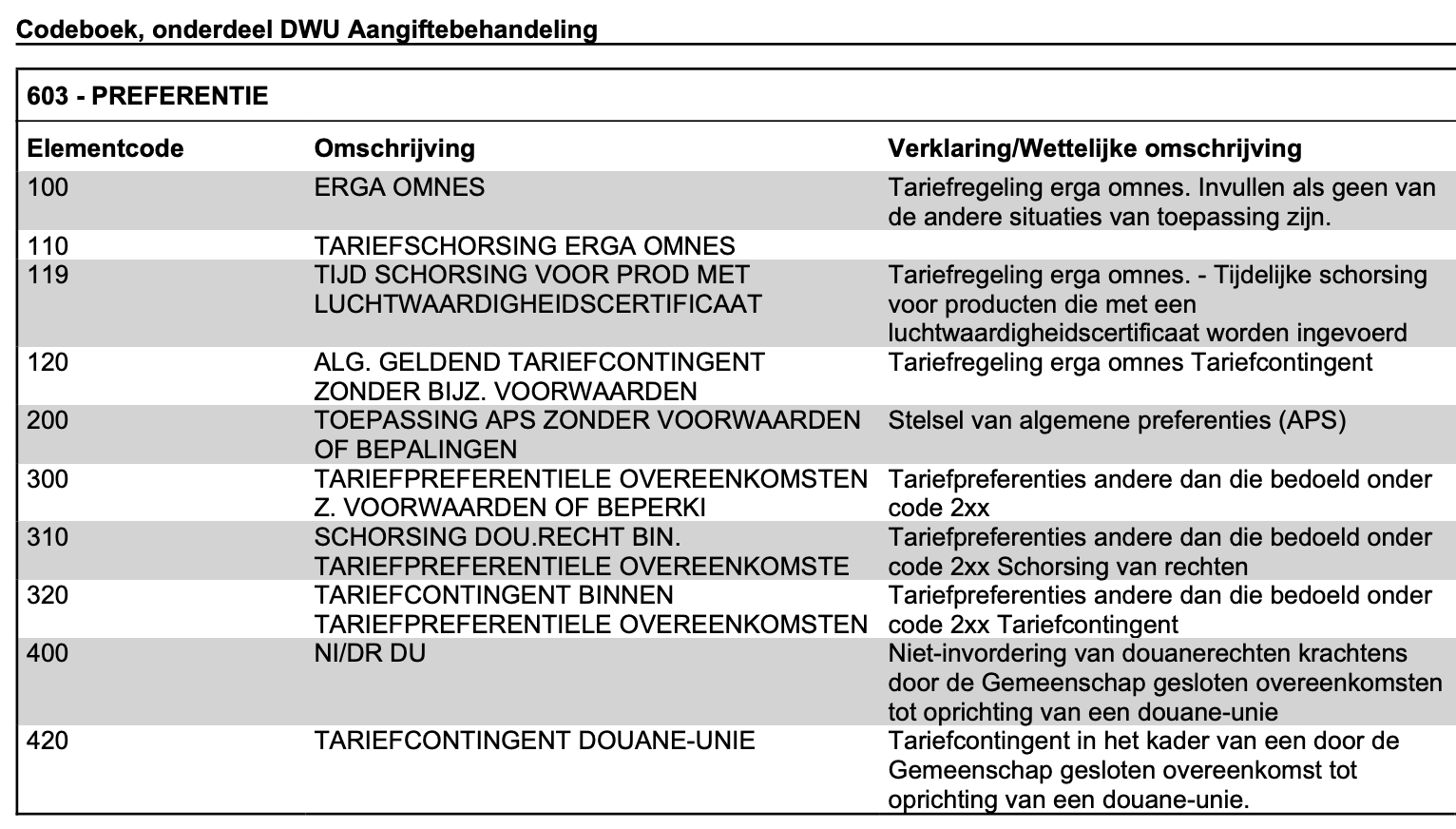
Example Dutch XML Import declaration

Here the code is 300 showing that a Preferential Tariff is applied. The following elements are relevant in this regard.
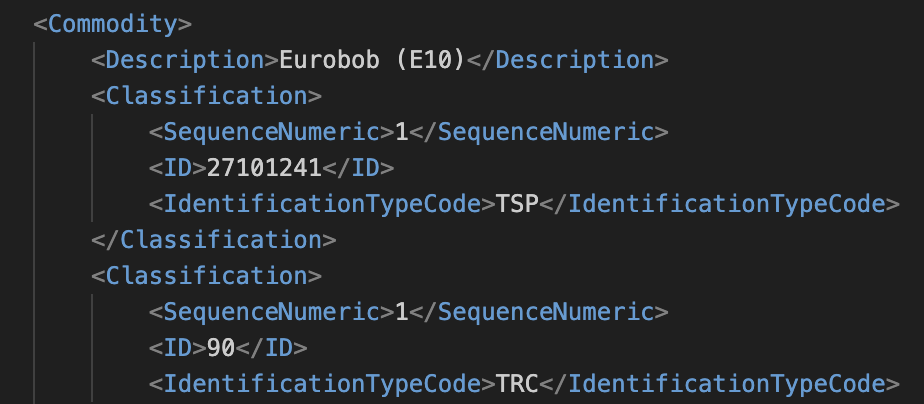
- The Commodity code: i.e. 2710124190 (TSP concatenated with TRC)
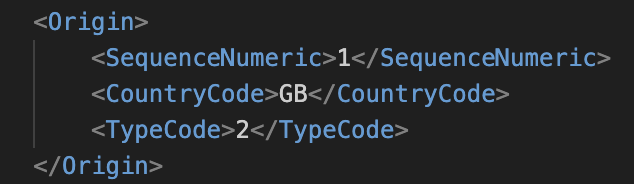
2. The origin

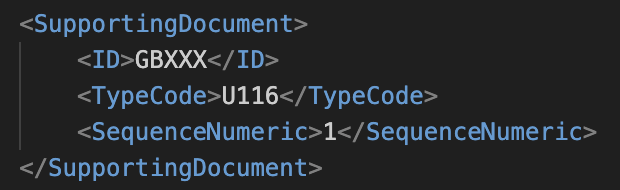
3. The available origin type of document.


Example Belgian XML Import declaration

Here the code is 100 showing that no Preferential Tariff is applied. The following elements are relevant in this regard.
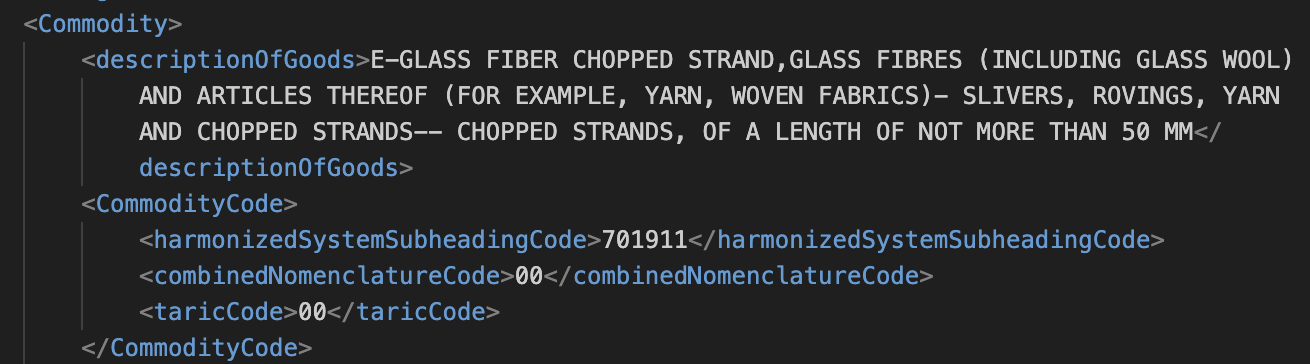
Commodity code concatenation of 3 elements 7019110000

Origin = Malaysia (MY)
The Controls
We have the tariff information available to validate. On the basis of the Commodity code + the Country of Origin we can identify the applicable measures and validate against the declarations. We can use the Taric service data we have at our disposal.
For the Dutch example, the control would be on the availability of the underlying documentation. A preferential rate is claimed on the basis of U116 Statement on Origin. The Control would be to validate the availability and the correctness of the document (output). The automated Control should show the Controls performed and the result, which in this case would be a To do to complete. In this case we would start with creating a Form to check the correctness of the Statement on Origin document.

For the Belgian example Commodity 7019110000 + Origin MY (Malaysia) does not offer a Tariff preference (142) Measure so correct application of Preference code 100. Automated Control should show checks done and result being Green score.

No Comments